Loadshedding that lasts eight hours a day in July pushes every Pakistani homeowner toward the same question: which solar setup will actually fix this? The market is flooded with options at every price point, and knowing which are the best solar panels for Pakistan's heat, dust, and budget realities is what separates a smart investment from a costly mistake. This guide gives you exactly that clarity.
What Makes the Best Solar Panel for Pakistan?
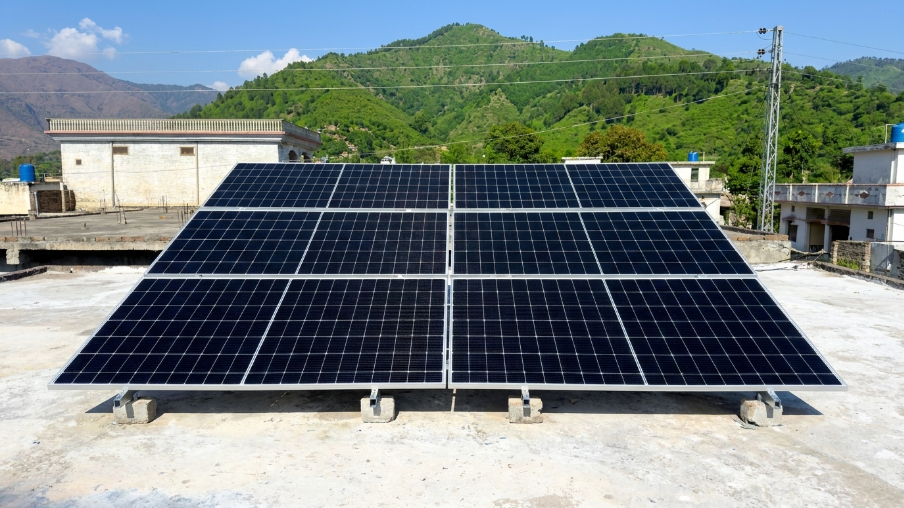
The best solar panel for a Pakistani home handles intense heat without a steep efficiency drop, stays easy to clean in dusty conditions, and matches the wattage your household genuinely needs. Pakistan's rooftop temperatures regularly exceed 60°C in summer — a number that significantly affects how much power a panel actually delivers versus what its label promises.
Monocrystalline vs Polycrystalline: Which One Wins Here?
Monocrystalline panels are more efficient per square foot and handle high temperatures better than polycrystalline options. They cost slightly more per watt but lose less output on the hottest days. Polycrystalline panels suit smaller budgets and simpler setups. Most Pakistani buyers with adequate roof space are now choosing monocrystalline panels in the 400W–550W range for full-home systems.
Solar Panel Rates in Pakistan: What Are You Actually Paying?
Solar panel rates have dropped noticeably over the past two years thanks to import adjustments and shifting exchange rates — details covered in our piece on solar panel prices dropping in Pakistan. A quality 550W monocrystalline panel now typically falls between Rs. 18,000 and Rs. 28,000 depending on warranty tier and sourcing. Used panels cost considerably less but require a proper inspection before you commit.
Small solar panels — ranging from 100W to 200W — remain popular entry points for buyers who want to run fans, lights, and phone chargers before scaling up. These affordable setups let families reduce their bills step by step.
Solar Accessories That Complete Your System
A solar panel alone powers nothing. The accessories around it determine how well your whole setup actually works.
- Solar panel controller: A charge controller regulates voltage flowing from your panels to your battery. PWM controllers suit smaller budgets; MPPT controllers extract significantly more energy from your panels on cloudy or hot days.
- Solar panel battery: Lithium batteries handle deep discharge cycles far better than lead-acid and last longer overall. Lead-acid remains popular where upfront cost is the priority.
- Solar panel stand and solar panel structure: A properly angled iron or aluminium mounting structure maximises output and survives wind. A poorly installed stand can cost you panels in the next heavy storm.
- Solar panel connectors and solar panel clamps: MC4 connectors are the Pakistani market standard. Counterfeit connectors are a genuine fire risk — spend a little more on verified ones.
- Solar panel brush and solar panel washer: Dust accumulation on panel surfaces in Lahore and Karachi can cut your output by 20–30%. A soft brush or low-pressure wash every two to three weeks keeps your panels performing at their rated capacity.
Portable and Small Solar Panels: Are They Worth It?
Portable solar panels are a practical buy for campers heading to Murree or Nathiagali, small shopkeepers needing backup power, and people with limited roof space. A 100W foldable unit paired with a portable power station can quietly charge essentials through a long power cut.
The term "night solar panels" is largely a marketing label — no panel generates power without sunlight. What sellers actually mean is a system with a large enough battery bank to run through the night. Focus on your battery capacity, not the label. Our breakdown of solar panels getting cheaper in Pakistan after Budget 2026 is worth reading before you finalise your budget.
How to Inspect a Solar Panel Before You Buy
Whether buying new or second-hand, a five-minute check protects your investment every time.
- Hold the panel at an angle in direct sunlight and look for microcracks — hairline fractures across the cells reduce output permanently.
- Test open-circuit voltage with a basic multimeter — a 550W panel in full sun should read close to its rated voltage.
- Check the junction box and solar panel connectors for corrosion, moisture entry, or loose wiring.
- Inspect the aluminium frame for bends and the tempered glass for chips or deep scratches.
- Ask for the original invoice and warranty card on any "new" panel being resold — this is where most scams begin.
Buying solar equipment without verifying the seller is a common mistake. Read our guide on online safety tips for classifieds in Pakistan before making any payment — fake warranty cards and refurbished panels sold as new are two traps that catch Pakistani buyers regularly.
Smart Tips for Getting the Best Solar Panel Deal
Negotiate on the full package — sellers expect it. The solar panel stand, clamps, wiring, and controller all carry margin. A bundled deal on panel plus controller plus battery often saves 10–15% compared to buying each item separately.
Check multiple sellers before deciding. Prices vary by area and listing freshness. Browsing active listings on DealDone regularly gives you a real-time picture of what buyers are paying and what sellers are asking — no guesswork, no outdated rate cards.
For a full breakdown of the buying process, our earlier guide on how to buy solar panels in Pakistan without wasting money covers every step in detail. When you're ready to compare options, browse solar panels on DealDone and find new and used listings from verified sellers across Pakistan.
Frequently Asked Questions
What are the best solar panels for Pakistani homes in 2026?
Monocrystalline panels in the 400W–550W range perform best in Pakistan's high-temperature conditions. Prioritise panels with a 10-year product warranty and a 25-year performance guarantee from a distributor with local service support.
What is the current solar panel rate per watt in Pakistan?
New monocrystalline panels typically run between Rs. 35 and Rs. 55 per watt. Rates shift with the dollar exchange rate, so always check current listings before locking in a budget.
Do I need a solar panel controller for a small setup?
Yes — always. Even a 100W portable panel needs a charge controller to protect your battery from overcharging. MPPT controllers are more efficient; PWM controllers cost less and suit basic entry-level systems.
Is it safe to buy a used solar panel in Pakistan?
Yes, if you inspect it properly. Check for microcracks, test the voltage output, and verify all connectors. Our guide on used electronics in Pakistan covers exactly what to look for before buying second-hand.
How many solar panels does a typical Pakistani home need?
A home running fans, lights, and a small fridge needs at least three to five 400W–550W panels paired with an adequate battery bank and inverter. Larger homes with air conditioners typically need eight to twelve panels or more.
Are night solar panels different from regular ones?
No. The term describes a system with a large enough battery bank to cover nighttime power needs. The panel itself only generates energy during daylight hours. Focus on battery capacity when planning your overnight backup — not the marketing label.
DealDone Pakistan is your trusted local marketplace for buying and selling the latest solar panels, controllers, stands, batteries, and accessories. Whether you're setting up your first system or upgrading an existing one, real Pakistani sellers list options every day across price ranges. Contact us if you need help navigating listings or posting your own. Follow us on Facebook, Instagram, and LinkedIn for the latest listings, price updates, and practical buyer guides from Pakistan's marketplace community.