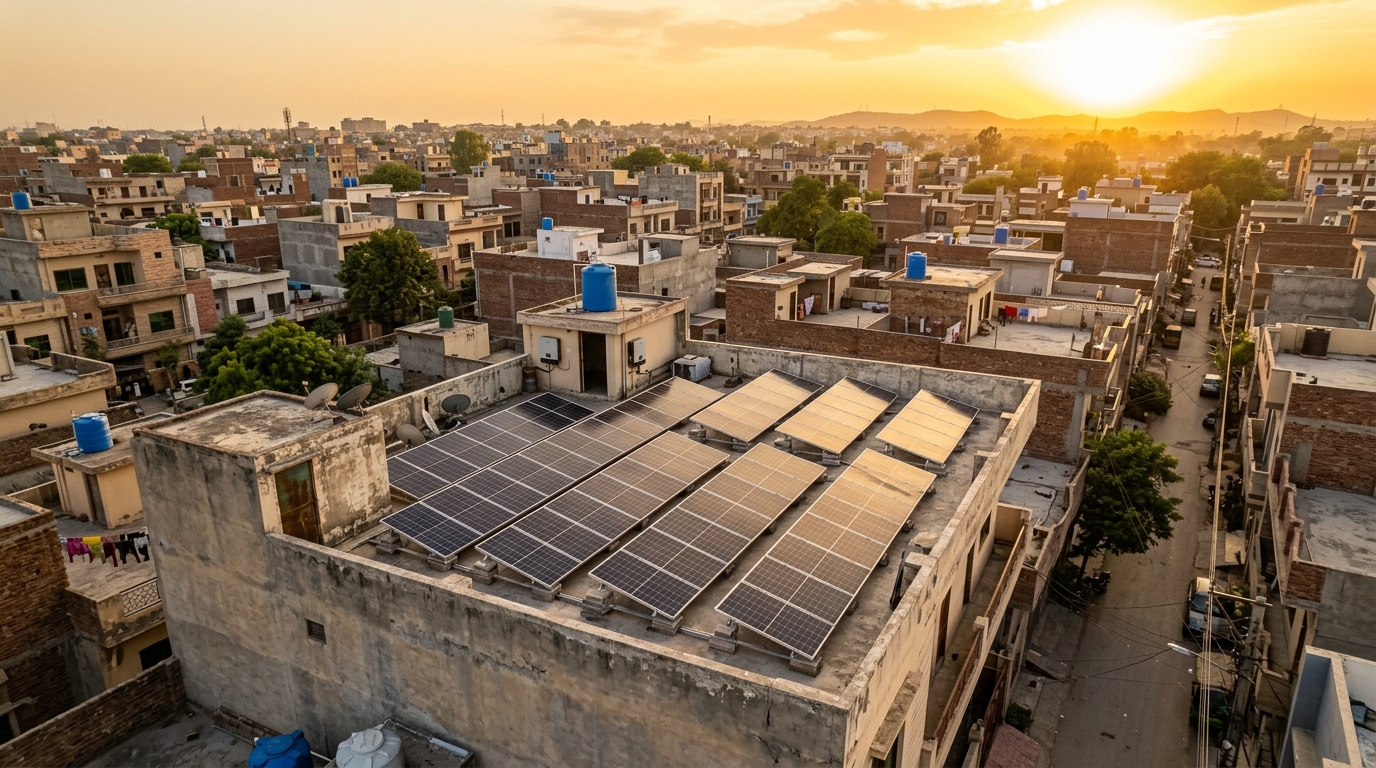
Load shedding has pushed millions of Pakistani families toward solar energy — and rightly so. Electricity bills have climbed sharply, and outages remain a daily frustration in most cities and towns. A solar panel system can significantly reduce costs and deliver consistent power even when the grid goes dark.
But buying solar panels without proper knowledge means spending heavily and getting far less than you paid for. This article walks you through every key decision — from panel types to system sizing to finding reliable sellers — so your investment actually pays off.
Why Solar Makes So Much Sense in Pakistan Right Now
Pakistan receives some of the highest solar irradiance in the region. Provinces like Punjab, Sindh, and Balochistan get intense sunlight for most of the year, which means solar panels here generate more electricity per unit than in many other countries.
With electricity tariffs rising and grid dependency becoming more painful, a well-sized solar system can break even within a few years and continue generating savings for a decade or more. The economics, the climate, and the technology all point in the same direction.
Step 1: Calculate Your Load Before You Buy Anything
The most common mistake Pakistani buyers make is guessing the size of the system they need. Before shopping, list every appliance you use daily and note how many hours you run each one.
A typical medium-sized Pakistani household runs ceiling fans, an air conditioner (in summer), a refrigerator, LED lights, a water pump, and phone chargers. Add up the total wattage and estimate daily consumption in kilowatt-hours. A 5 kW system handles a moderate home comfortably without heavy air conditioning. Homes with multiple ACs need at least 10 kW.
Getting this number right saves you from both undersizing (constant shortfalls) and oversizing (unnecessary spending).
Step 2: Know the Three Types of Solar Panels
Not all panels work the same way. Three types dominate the Pakistani market:
- Monocrystalline panels offer the highest efficiency and hold up well in partially shaded or low-light conditions. They cost more upfront but deliver stronger returns over time.
- Polycrystalline panels are cheaper and still perform well in areas with consistent direct sunlight. A solid choice if budget is a priority.
- Thin-film panels are flexible and lightweight but significantly less efficient. They are better suited to commercial applications than to residential rooftops.
For most Pakistani homes, monocrystalline panels are the smarter long-term investment. Polycrystalline remains a respectable budget alternative.
Step 3: On-Grid, Off-Grid, or Hybrid — Pick the Right System
Your system type determines how you use and store power.
On-grid systems connect directly to the national electricity grid. They are the most affordable option and allow you to benefit from net metering — earning bill credits when your panels generate more electricity than you consume. The downside is that they do not power your home during outages unless paired with a battery.
Off-grid systems are fully independent. They rely entirely on battery storage and work best in areas with severely unreliable grid supply. Cost is higher, but the independence is total.
Hybrid systems combine grid connection with battery backup. You get net metering benefits and backup power during outages. This is increasingly the most popular choice for urban Pakistani homes.
If net metering is available through your electricity distribution company — and it is now in cities like Lahore, Karachi, Islamabad, and Faisalabad — a hybrid or on-grid system can significantly shorten your payback period.
What to Check Before You Buy From Any Seller
Not every solar panel seller in Pakistan is reliable. Use this checklist before handing over any money:
- Performance warranty: Quality panels carry a 10 to 25-year output warranty. No documentation means no purchase.
- Certification: Look for IEC or UL-certified panels. Cheap, uncertified panels degrade faster and pose a fire risk.
- Wattage verification: Some vendors misstate wattage. Ask for official technical datasheets.
- Inverter matching: Panels must be correctly matched to your inverter. A mismatch quietly wastes efficiency.
- Installer credibility: Poor installation ruins even excellent panels. Ask for references and confirm experience.
If you are considering used solar panels, inspect them thoroughly for micro-cracks, discoloration, and broken frames. Our guide on how to quality-check used items before you buy covers the inspection mindset you need for this kind of purchase.
New vs. Used Solar Panels: Which Should You Choose?
Second-hand solar panels can offer real savings — particularly imported panels from China, Europe, or Gulf markets that still have usable life left. However, without proper testing, you risk paying for equipment that is already significantly degraded.
If you go the used route, meet the seller in person, test the panel output with a multimeter, and inspect the physical condition carefully. Our article on used electronics in Pakistan — what to buy or avoid gives you the broader context for making safer second-hand purchases.
Where to Find Trusted Solar Panel Listings in Pakistan
Word of mouth matters, but browsing local classifieds saves a lot of time. On DealDone's solar panel listings, you can compare new and used solar panels from sellers across multiple cities — filtered by price, location, and condition — without visiting a single market.
Before finalizing any deal, especially with an unfamiliar seller, review our online safety tips for classifieds in Pakistan to protect yourself from fraud and ensure a smooth transaction.
A Quick Note on Net Metering
Net metering lets you sell surplus solar power back to the grid through your distribution company. NEPRA has streamlined the approval process, and licensed connections are now active in major cities. To qualify, your system must be installed by a NEPRA-licensed installer and formally approved. The upfront paperwork is worth the effort — net metering can shorten your investment payback period by years.
Frequently Asked Questions
Q: How much does a 5 kW solar system cost in Pakistan? A standard 5 kW hybrid system in Pakistan currently ranges from PKR 700,000 to PKR 1,200,000, depending on brand and installer. Always get at least three quotes before committing.
Q: Which solar panel brand is most reliable in Pakistan? Brands like Longi, JA Solar, Canadian Solar, and Jinko have established strong track records in Pakistan. Always verify authenticity through official distributors.
Q: Can I install solar panels myself? Small portable setups can be self-installed, but rooftop grid-tied and hybrid systems must be handled by a professional. Incorrect wiring is a genuine fire and safety hazard.
Q: What is net metering, and is it available in my city? Net metering credits your electricity bill for the power your panels feed into the grid. It is currently available in most major cities, including Lahore, Karachi, Islamabad, and Faisalabad, through licensed distribution companies.
Q: Is it safe to buy used solar panels in Pakistan? Yes, if you inspect carefully. Test output, check for physical damage, and never pay without seeing the equipment in person. Sellers who discourage inspection are a red flag.
Q: How long do solar panels last in Pakistan's climate? Quality panels last 20 to 25 years. Pakistan's abundant sunshine benefits output, though dust in dry areas requires regular panel cleaning to maintain efficiency.
Conclusion
Switching to solar is one of the most financially sound decisions a Pakistani homeowner can make right now. The key is matching the right system to your actual energy needs — not just buying the cheapest option available or overspending on capacity you will never use.
Start with your load calculation, select the correct system type, verify your seller, and always inspect before you pay. When you are ready to compare options, browse solar panel listings on DealDone and find sellers across Pakistan in one place.
If you are a solar installer or equipment supplier, post a free ad on DealDone and connect with buyers in your city today.
DealDone is Pakistan's trusted local marketplace for buying and selling everything from electronics to energy solutions. Stay connected with us on Facebook, Instagram, and LinkedIn for new listings, buying tips, and local marketplace updates.