Buying second-hand in Pakistan can save you thousands of rupees — but only if you know what you're looking at. A cracked phone screen protected by tempered glass, a sofa that looks fine in photos but smells of mold in person, or a laptop that dies within a week of purchase — these are real scenarios Pakistani buyers face every day.
The good news? Most bad purchases are avoidable. This guide gives you a practical, step-by-step approach to quality-checking used items in Pakistan so you shop smarter, not blindly.
Why Quality Checks Matter in Pakistan's Classifieds Market
Classifieds platforms have opened up a massive, convenient way to buy and sell locally. From Karachi to Lahore to smaller cities, people are listing everything from mobile phones to furniture to branded clothes. But with that volume comes variety — and not all of it is worth your money.
Unlike a retail store, a second-hand seller isn't legally obligated to offer returns or guarantees. Once the deal is done, it's usually done. That makes your pre-purchase inspection the only real protection you have.
Developing the habit of inspecting before you pay is the single most useful piece of second-hand shopping advice in Pakistan anyone can give you.
Step-by-Step: How to Inspect a Second-Hand Item
Start With the Listing Itself
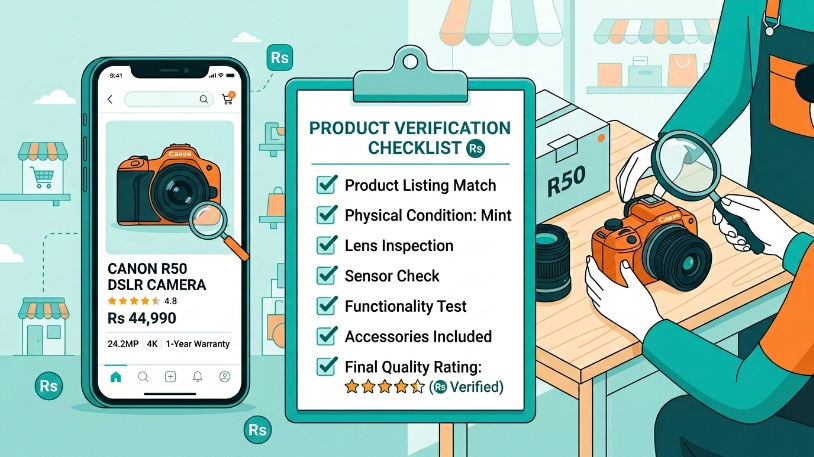
Before you even contact the seller, the listing tells you a lot. Here's what to look for:
- Photos: Are they clear, well-lit, and taken from multiple angles? Vague or single-photo listings are a warning sign.
- Description detail: A genuine seller describes the condition honestly — scratches, faults, and all. Generic descriptions like "good condition, barely used" without specifics deserve follow-up.
- Price: Research the market rate. If it's far below what similar items sell for, ask yourself why.
- Listing age: How long has this been posted? Older listings may indicate the item is harder to sell for a reason.
If you're browsing on DealDone, use filters to sort by category and condition so you see only relevant results from the start.
Ask the Right Questions Before Meeting
A quick message before a meeting saves you a wasted trip. Good questions to ask:
- Why are you selling this?
- How old is it, and how often was it used?
- Has it been repaired or replaced in any part?
- Are the original accessories or packaging included?
- Can I test it before paying?
A seller who answers clearly and confidently is usually a safer bet than one who gives vague or rushed replies.
What to Check During the Physical Inspection
This is where how to inspect a second-hand item becomes hands-on. Meet in a safe, public location — a busy market, a café, or a mall. Never go alone to a private address for a first meeting.
General checks for any item:
- Examine it under natural light, not just indoors
- Look for cracks, discoloration, dents, or signs of repair
- Check hinges, zippers, buttons, lids, and moving parts
- Smell it — mold, smoke, or chemical odors are hard to remove
- Test every function it's supposed to have
Category-Specific Tips
Electronics (Phones, Laptops, Tablets):
- Check the IMEI or serial number to confirm the device isn't stolen or blacklisted
- Test the battery health, screen brightness, all ports, and speakers
- For laptops, run a basic performance task and check for overheating
- Ask for the original box and warranty card if the item is recent
Furniture:
- Press on cushions and frames to check for wear and structural weakness
- Look underneath and at the back — that's where sellers hide damage
- Check for termite activity in wooden pieces
Clothing and Accessories:
- Inspect stitching, zippers, and fabric quality in good lighting
- Ask whether branded items come with tags or receipts
Vehicles:
- Always take a test drive
- Check papers — registration, ownership transfer documents
- Consider getting an independent mechanic's opinion before paying
Red Flags That Signal a Bad Deal
Some situations are worth walking away from, no matter how attractive the price:
- Seller refuses to meet in person or insists on advance payment only
- The item cannot be tested before purchase
- Seller is pushy or creates artificial urgency ("someone else is interested")
- Photos look professionally taken (possibly copied from e-commerce sites)
- Price is suspiciously far below market value
Our online safety tips for classifieds in Pakistan cover these scenarios in more depth — worth a read before your next purchase.
How to Stay Safe During the Transaction
Scam prevention is part of every smart buyer's toolkit. A few rules:
- Always meet in a public place for the exchange
- Avoid sending any payment before physically receiving and verifying the item
- Use cash for small transactions; for higher-value items, consider a bank transfer only after inspection
- Don't share your CNIC or personal banking details with any seller
If a deal ever feels off, trust that instinct.
Quick Quality Checklist Before You Pay
Use this before handing over any money:
- Listing has clear photos and an honest description
- The seller answered all questions openly
- Item tested and all functions confirmed working
- No hidden damage found on physical inspection
- Price aligns with market rate
- Papers or documentation verified (for vehicles or electronics)
- Transaction completed in a safe, public location
FAQ
Q1: How do I quality check used items in Pakistan before buying online? Start by analyzing the listing carefully — look for multiple clear photos, a detailed description, and a fair price. Then contact the seller with specific questions, arrange an in-person meeting in a public location, and test the item thoroughly before paying.
Q2: What are the most important things to inspect when buying a second-hand phone in Pakistan? Check the IMEI for blacklist status, test the battery health and charging port, inspect the screen for dead pixels or cracks under bright light, and confirm all features — camera, speakers, SIM slots — work properly. Ask for the original box and any warranty documents if available.
Q3: Is it safe to buy used goods from classifieds platforms in Pakistan? Yes, if you follow basic precautions. Meet sellers in public, test items before paying, avoid advance payments to unknown sellers, and trust your instincts if something feels wrong. Reputable platforms like DealDone make it easier to find transparent, locally listed items.
Q4: How can I tell if a used item listing is fake or misleading? Watch for listings with only one vague photo, no mention of condition or faults, prices well below market rate, and sellers who avoid questions or push for quick payment. These are common signs of a misleading listing.
Q5: What should I check when buying used furniture in Pakistan? Inspect frames and joints for stability, press cushions to assess wear, check underneath and at the back for hidden damage, and smell the piece for mold or smoke. Look closely at wooden furniture for signs of termite damage, especially in older pieces.
Q6: Can I negotiate the price of used goods in Pakistan classifieds? Absolutely — negotiation is expected and normal in Pakistan's second-hand market. Use any faults you find during inspection as reasonable grounds for a lower price. Be respectful but firm, and base your counteroffer on current market rates for similar items.
Find Quality Listings — or Sell Your Own
Now that you know how to shop smart, the next step is finding listings worth inspecting. Browse used items across all categories on DealDone — from electronics to home goods to fashion, all listed by verified local sellers across Pakistan.
Already have something to sell? Post a free listing on DealDone and connect with genuine buyers near you. Our guide to posting a free classified ad in Pakistan walks you through the entire process in minutes.
And if you're thinking bigger, our article on starting a small resell business in Pakistan shows you how buying second-hand smartly can actually become a reliable income stream.
DealDone is Pakistan's growing local marketplace for buying, selling, and discovering second-hand and new items. Follow us on Facebook, Instagram, and LinkedIn for tips, new listings, and marketplace updates.