Lahore's roads are about to get a new layer of accountability. Starting July 1, every rickshaw, taxi, and ride-hailing car operating in the city must carry a QR Panic Code or risk a crackdown by the Lahore Traffic Police. If you drive for a living, ride daily, or are thinking about buying a car for ride-hailing work, this rule will directly affect you.
This guide breaks down what the QR Panic Code actually is, how to get one, and what it means for both passengers and vehicle owners in Lahore.
What Is the QR Panic Code?
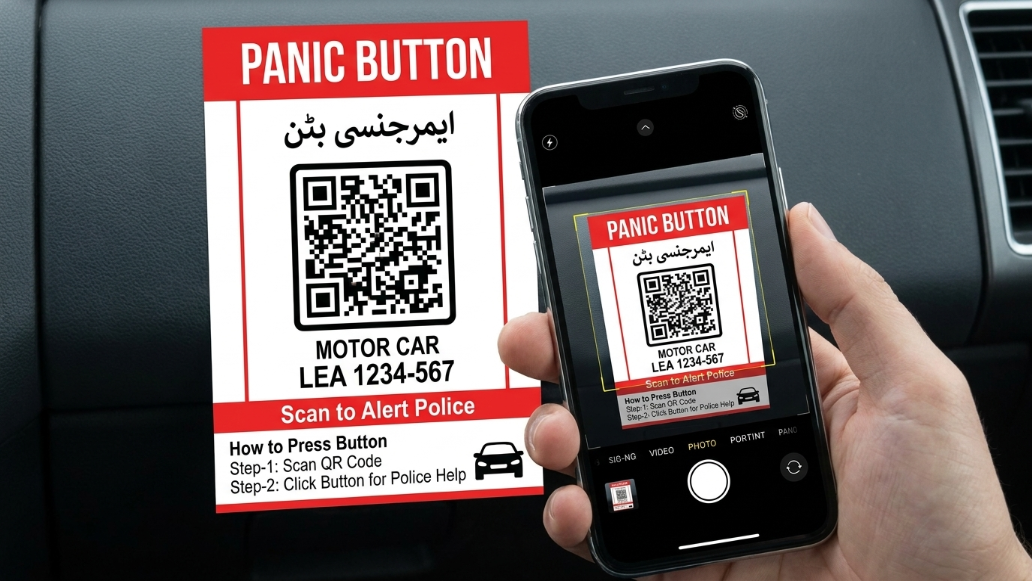
Despite the name, this is not a physical panic button bolted into the dashboard. It is a simple QR code sticker placed inside the vehicle, usually where passengers can easily see and reach it. When a rider scans the code with their phone camera, it pulls up details about the driver, the vehicle, and the registered owner.
The same code also works as an emergency trigger. If something feels wrong during a ride, the passenger can activate the panic feature from the interface that opens after scanning. This instantly sends the rider's live location and vehicle details to the police and the Safe City Authority, allowing a faster response than a phone call ever could.
How to Get the QR Panic Code
Vehicle owners cannot simply print this sticker at home. The process runs through the Lahore Traffic Police directly:
- Visit a designated Lahore Traffic Police center
- Carry your original driving license
- Bring the vehicle registration card
- Submit any other documents the center requests
- Receive the verified QR code sticker for installation inside the cabin
Once issued, the sticker should be placed somewhere passengers can scan it without difficulty, not tucked away in the glovebox or under the seat.
Why This Matters for Vehicle Owners
Operators who skip this step face enforcement once the deadline passes. Rickshaws, taxis, and ride-hailing cars without a valid QR Panic Code will be targeted in the crackdown, which means lost trips, possible fines, and reduced trust from passengers who now expect this basic safety check before booking a ride.
For anyone planning to enter the ride-hailing business in Lahore, this is also a good time to consider the vehicle itself. A well-maintained car with low mileage and a clean ownership history attracts more bookings and fewer complaints. Before buying, it helps to understand the common pitfalls covered in our guide on avoiding mistakes when buying a second-hand car in Pakistan.
What This Means for Passengers
Passenger safety has long been a concern in Pakistan's ride-hailing and rickshaw market, especially for women traveling alone or late at night. The QR Panic Code gives riders a quick, visible way to confirm who is driving them and share that information with family before the trip even starts.
Traffic police have also indicated that GPS tracking and dashboard cameras are planned as the next step, suggesting Lahore is moving toward a more structured, technology-backed transport safety system rather than relying on manual checks alone.
Buying or Selling a Vehicle for Ride-Hailing Work
If you are considering buying a car specifically for ride-hailing or rental income, document readiness now matters more than before. Since the QR Panic Code requires a valid registration card and license at the point of issuance, vehicles with incomplete paperwork or pending transfer will face delays.
Before you commit to a purchase, always verify the registration book matches the seller's CNIC, check the engine and chassis numbers against the documents, and confirm there is no outstanding loan or dispute on the vehicle. If you are unsure how to properly evaluate a used vehicle, our guide on quality-checking used items in Pakistan before you buy walks through the basics that apply to vehicles as well.
For sellers, having complete documents ready, including a valid registration card and any inspection reports, makes your ad more credible and speeds up the transfer process for genuine buyers. Posting your ad correctly also matters, and our guide on how to post a free classified ad in Pakistan covers exactly how to do that.
Trust and Safety Reminder
Whenever you are dealing with vehicle transactions or arranging local transport, always meet in a public, well-lit location, verify ownership documents before making any payment, and avoid sending any advance payment to anyone you have not met in person. Scams involving fake registration papers or duplicate QR stickers are a real risk once any new verification system becomes mandatory, so always confirm details directly with the relevant authority rather than trusting a forwarded WhatsApp message. For broader precautions, see our complete online safety tips for classifieds in Pakistan.
FAQs
1. Is the QR Panic Code mandatory for all vehicles in Lahore?
It is mandatory specifically for rickshaws, taxis, and ride-hailing cars operating commercially in Lahore, starting from the July 1 enforcement deadline.
2. How do I get a QR Panic Code for my rickshaw or car?
You need to visit a Lahore Traffic Police center with your driving license, vehicle registration card, and any other requested documents to receive a verified sticker.
3. What happens if I scan someone else's QR Panic Code?
The code displays the driver's identity, vehicle details, and owner information, which passengers can also share with family or friends for added safety.
4. Does the QR Panic Code work as an actual panic button?
Yes, scanning it opens an interface where passengers can trigger an emergency alert that sends their location and vehicle details to police and the Safe City Authority.
5. Will private vehicles also need this QR code?
Based on current announcements, the requirement targets commercial transport such as rickshaws, taxis, and ride-hailing cars, not personal-use vehicles.
6. What other safety features are planned after the QR Panic Code?
Lahore Traffic Police have said GPS tracking systems and dashboard cameras are being planned for ride-hailing vehicles as the next phase of this safety initiative.
Conclusion
The QR Panic Code marks a meaningful shift toward accountable, technology-driven transport in Lahore. Whether you are a driver getting compliant before July 1 or a passenger who wants peace of mind on every ride, understanding this system now will save you trouble later. If you are also in the market to buy or sell a vehicle for personal use or ride-hailing income, browse trusted listings or submit your free ad on DealDone today and connect with genuine buyers and sellers across Pakistan.
Stay updated with more local guides by following us on Facebook, Instagram, and LinkedIn for daily tips on buying, selling, and staying safe in Pakistan's marketplace.