If you own a large-engine car or have been planning to buy one, Pakistan's Budget 2026-27 has introduced something that deserves your full attention before you make any decision.
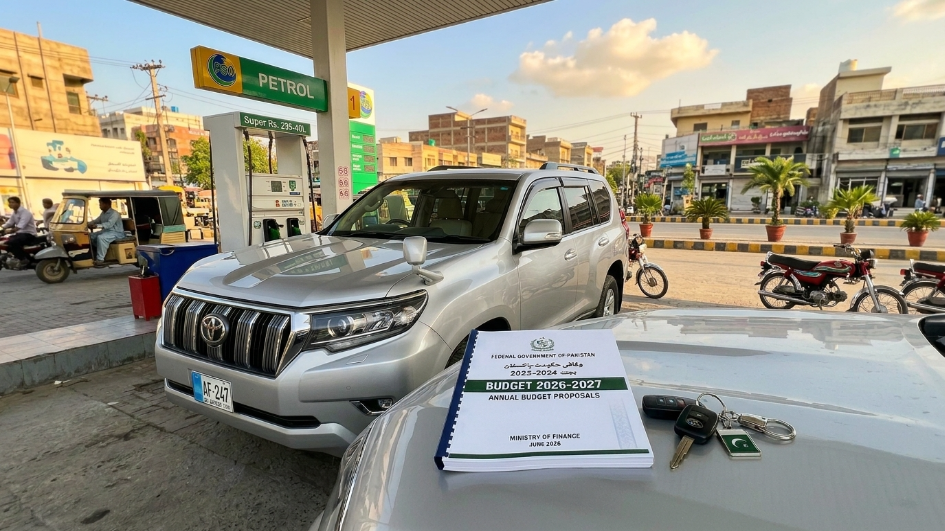
The upcoming Budget 2026-27 proposes a new carbon levy of up to 19.5% on large combustion engine vehicles. Under the planned taxation framework, petrol and diesel vehicles with engine capacities exceeding 2,000 cc may be subject to this additional levy.
This is not a minor adjustment. For anyone looking at a large SUV, a high-displacement sedan, or any vehicle with a heavy engine, this tax could add a significant amount to the final cost. Here is a clear, practical breakdown of what the proposed levy means, which vehicles it affects, and what Pakistani buyers should do next.
What Is the Carbon Levy and Why Is It Coming?
The proposed carbon levy is set at 10% to 19.5% on large combustion engine vehicles, targeting petrol and diesel cars with engine capacities exceeding 2,000cc.
The reasoning behind this proposal is environmental. The government intends to discourage fuel-heavy, high-emission vehicles and create a financial incentive for buyers to consider smaller or cleaner alternatives. Pakistan has been gradually nudging its transport sector toward lower emissions, and this carbon levy is the clearest policy signal yet.
It is worth noting that this remains a proposed measure under the federal budget, subject to parliamentary review and approval. However, Pakistan's car market typically reacts to budget news well before formal implementation, which means prices can shift even before the levy officially takes effect.
Which Vehicles Are Affected by This Levy?
The carbon levy specifically targets petrol and diesel vehicles with engines above 2,000cc. This covers a meaningful segment of large vehicles that are popular in Pakistan, including:
- Large SUVs and crossovers with 2,000cc to 3,000cc+ engines
- Executive sedans with high-displacement engines
- Heavy imported vehicles falling above the 2,000cc threshold
- Diesel-powered large vehicles in that engine range
Compact cars, hatchbacks, and mid-range sedans that most Pakistani families rely on typically fall between 660cc and 1,800cc. These vehicles are not directly targeted by this specific proposal, which offers some relief for budget-conscious buyers.
If you are currently evaluating whether to buy a used large-engine vehicle before prices shift, it is worth reviewing the most common mistakes Pakistanis make when buying a second-hand car to avoid costly oversights driven by financial urgency.
How Much Could These Cars Actually Cost More?
The exact increase depends on the engine size bracket and the rate that gets formally approved. At the proposed 19.5% upper rate, the additional cost for a large vehicle priced at the upper end of Pakistan's new-car market runs into multiple lakhs of rupees.
Even at the lower 10% rate for vehicles closer to the 2,000cc threshold, the financial impact is real and will be noticed by buyers. The practical concern for most people is not just the percentage, but what that figure means in absolute rupee terms when added to an already elevated new-car price.
The used-car market is also likely to face secondary pressure. When new vehicle prices rise sharply, demand for equivalent used models increases, which can push up their asking prices even without a direct tax applying to them.
Should You Buy Now or Wait?
This is the question most Pakistani car buyers are sitting with right now, and the answer genuinely depends on your situation.
If you have already decided on a large-engine vehicle and your budget is committed, moving before the levy is formally passed makes practical sense. Dealers and private sellers in Pakistan often adjust prices in anticipation of budget changes, so waiting is not always the safe option it appears to be.
If you are flexible on engine size or open to reconsidering your options, this budget may be a useful turning point. Budget cars are gaining serious ground among Pakistani buyers in 2026 and offer a compelling case for anyone on the fence between a large and a compact vehicle.
For buyers still weighing whether a used car makes more financial sense than buying new in the current climate, the used-car-versus-new-car comparison for Pakistan is worth revisiting with this budget in mind.
What Happens in the Used Car Market?
Pakistan's second-hand car market is active, and the carbon levy proposal is already creating ripples in buyer behavior. Here is what to reasonably expect:
- Demand for used 2,000cc+ vehicles may rise in the short term as buyers try to avoid new car taxes
- Sellers of large-engine used cars may increase asking prices in response to new car price rises
- Compact and fuel-efficient used cars between 1,000cc and 1,800cc may see increased demand as well
- Buyers may begin looking more seriously at hybrid options as comparatively more affordable
If you are currently in the market for a used vehicle and want to see what is available from verified local sellers across Pakistan, browse current car listings on DealDone before prices reflect this budget pressure further.
What About Hybrid and Electric Cars?
The proposed carbon levy specifically targets petrol- and diesel-powered combustion-engine vehicles. Hybrid and electric vehicles are positioned outside this framework, making them more financially attractive than they have been relative to conventional big-engine cars.
Pakistan's electric vehicle market has been growing steadily, with local assembly and new launches accelerating through 2025 and into 2026. For buyers who have been curious but not quite ready to commit, this budget may be the practical push they need to move the decision forward.
Frequently Asked Questions
Which vehicles are covered by the 19.5% carbon levy in Budget 2026-27? The levy applies to petrol and diesel vehicles with engine capacities exceeding 2,000cc. The rate is tiered between 10% and 19.5%, with larger engines falling under the higher end of the range.
Is this tax already active, or is it still under review? This is a proposed measure under Budget 2026-27 and is subject to parliamentary approval. However, Pakistan's car market often prices in expected changes ahead of formal implementation, meaning prices can shift before the budget is officially passed.
Will large-engine cars also become more expensive? Not directly, since the levy applies to new vehicle taxation. However, as new large-engine car prices rise, demand for equivalent used models tends to increase, which can push up resale values for second-hand vehicles in that category.
Are hybrid or electric vehicles exempt from this carbon levy? The proposed levy specifically targets petrol and diesel combustion engines. Hybrid and electric vehicles are generally not covered under this proposal, making them comparatively more cost-effective under the new framework.
How should a buyer decide between buying now and waiting? If you need a large-engine vehicle and your budget is in place, acting before formal budget approval may help avoid price increases. If you are flexible on engine size, exploring compact or fuel-efficient alternatives is worth serious consideration, given the cost trajectory.
Where can Pakistani buyers find used cars right now at current prices? You can browse a wide range of used car listings from verified sellers across Pakistan on DealDone's cars section, where listings are updated regularly across different budgets, models, and cities.
Conclusion
The proposed 10% to 19.5% carbon levy on large-engine vehicles in Budget 2026-27 is a significant market development, whether you are a buyer deciding on your next purchase or a seller gauging the right time to list. Moving with accurate information is what separates a good decision from a rushed one.
If you are actively looking for a vehicle right now, find verified used car listings near you on DealDone and compare real prices from local sellers across Pakistan before the market adjusts further.
Follow DealDone on Facebook, Instagram, and LinkedIn for the latest budget updates, car market news, and local listings across Pakistan.